




Manufacturing Insurance Explained: Coverage Structure, Risk Management & Claims Guide
Get the Best Insurance Plan that fits for your Need
- Introduction
- The Core Coverage Structure in Manufacturing Insurance
- Business Interruption and Supply Chain Disruption Coverage
- Environmental and Workplace Liability Considerations
- How Manufacturing Insurance Claims Are Assessed and Settled
- Common Coverage Gaps in Factory Insurance Programs
- Frequently Asked Questions about Manufacturing Insurance
Introduction
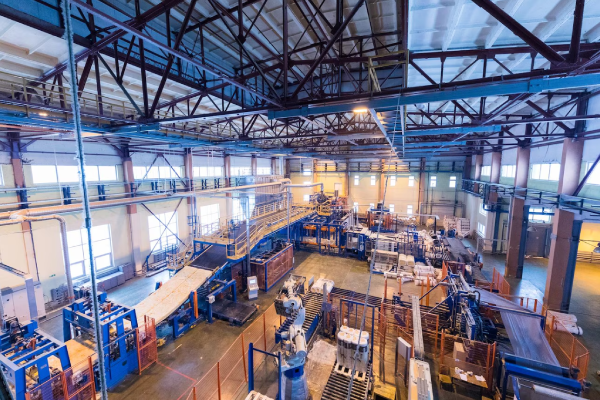
A factory floor is a high-friction environment. In the UAE’s industrial hubs like JAFZA, KIZAD, or Al Quoz, manufacturing businesses operate at the intersection of heavy machinery, volatile raw materials, and high-intensity labor. When a single CNC machine fails or a warehouse fire breaks out, the damage is rarely contained to a single asset. The entire supply chain feels the ripple. Manufacturing insurance is the structural support that ensures a localized equipment failure does not turn into a total business collapse.
Why Manufacturing Businesses Face Complex Insurance Risks
Manufacturing is not a singular activity. It is a sequence of risks that begin at the loading bay and end at the customer’s doorstep. Unlike a standard office, a factory involves high-voltage electrical loads, chemical storage, and the constant movement of heavy goods. These elements create a unique risk profile where a small oversight in maintenance can lead to a catastrophic fire or a massive product recall. In the UAE, strict Civil Defence requirements and industrial regulations add another layer of complexity. If your facility does not meet the latest fire safety codes, your insurance policy might not trigger when you need it most.
The Core Coverage Structure in Manufacturing Insurance
An effective manufacturing insurance program is built on three pillars: Property, Liability, and People. Most factory owners start with a Property All Risks (PAR) policy. This covers the physical shell of the building and the contents within it. However, a standard PAR policy is often insufficient for the technical needs of an industrialist. You need a program that integrates specialized “Engineering” covers with general commercial liability. This ensures that whether the damage is caused by a fire (an external event) or a mechanical seizure (an internal event), the business remains protected.
Property, Plant, and Machinery Protection Explained
Your plant and machinery are the heart of your operation. When structuring your property cover, you must distinguish between the “Replacement Value” and the “Depreciated Value” of your equipment. In a manufacturing setting, depreciated value is often useless. If a five-year-old specialized bottling line is destroyed, you cannot replace it with a used version; you need the latest model to maintain production standards.
Raw materials, work-in-progress, and finished goods also require careful valuation. Stock values in a factory fluctuate daily. A “Stock Declaration” basis is usually the best approach, where you pay premiums based on the actual average value of inventory held throughout the year rather than a static, arbitrary number.
Product Liability and Third-Party Risk Exposure
The risk does not end when the product leaves the factory. Product Liability is perhaps the most underestimated risk for UAE manufacturers, especially those exporting to international markets. If a defective component manufactured in Sharjah causes an electrical fire in a consumer’s home in Europe, the legal and compensatory costs will be directed back to the source.
Third-party risk also includes visitors to your site. Industrial facilities are inherently dangerous. A delivery driver or a government inspector injured on your premises can result in a significant personal injury claim. A robust Public and Product Liability policy provides the legal defense and settlement funds necessary to handle these exposures without draining your working capital.
Business Interruption and Supply Chain Disruption Coverage
For a manufacturer, the greatest threat is not the cost of a new machine, but the cost of the time that machine is not running. Business Interruption (BI) insurance is designed to replace lost gross profit and cover fixed costs during a shutdown.
In the modern industrial landscape, you also need to consider “Dependency” or “Contingent” Business Interruption. If your primary supplier of raw plastics in Saudi Arabia has a fire and cannot deliver for three months, your production stops even though your factory is perfectly fine. Standard BI won’t cover this. You need a supply chain extension to protect against disruptions that happen outside your own four walls.
Engineering and Machinery Breakdown Insurance in Detail
There is a common misconception that Property All Risks covers everything. It does not. PAR typically excludes “Internal Breakdown.” If a motor burns out or a gear shears off inside a machine due to normal use or operator error, PAR will reject the claim.
This is where Machinery Breakdown (MB) insurance is vital. MB is an engineering-first cover. It handles the repair or replacement of machinery that fails due to internal mechanical or electrical faults. For industries like food processing or cold storage, this is often paired with “Deterioration of Stock” cover. If the cooling plant breaks down, the insurer pays for both the machine repair and the spoiled inventory.
Environmental and Workplace Liability Considerations
Factories often handle substances that can cause environmental damage. A chemical leak that seeps into the local water table or soil can result in massive clean-up costs and government fines. Environmental Liability is no longer optional for heavy industries.
Simultaneously, Workplace Liability (Workmen’s Compensation) is a legal mandate in the UAE. Manufacturing environments have higher-than-average rates of workplace injuries. Your policy must cover not just the medical expenses, but also the mandatory disability or death compensation required by UAE Labor Law.
How Manufacturing Insurance Claims Are Assessed and Settled
When a major claim occurs, the insurer will appoint a Loss Adjuster with technical expertise in your specific industry. They will look at your maintenance logs first. If a machine failed because you skipped three years of required servicing, the claim might be adjusted downward or denied.
Claims in manufacturing are often “Long-Tail,” especially in product liability. It might take years for a defect to be discovered and a claim to be filed. This is why “Occurrence-Based” policies are generally preferred over “Claims-Made” policies. You need to know that a product you made today is covered five years from now if a problem arises.
What Drives Manufacturing Insurance Premium Costs
Insurers calculate premiums based on your “Risk Grade.” This isn’t just about what you make, but how you make it. Factors that influence your cost include:
The nature of the materials
Processing wood or chemicals is more expensive than assembling electronics.
Fire protection systems
A factory with an automated sprinkler system and a direct link to Dubai Civil Defence (Hassantuk) will get significantly lower rates.
Housekeeping
A cluttered, oily floor is a sign of poor management and higher risk.
Claims history
A clean five-year record is your best tool for negotiating lower premiums.
Risk Management Strategies That Reduce Insurance Costs
You can lower your insurance costs by proving to the insurer that you are a “Preferred Risk.” Regular thermographic scanning of electrical panels can prevent fires before they start. Implementing a strict Preventive Maintenance (PM) schedule for all critical machinery reduces the likelihood of a breakdown claim.
Another effective strategy is “Segmenting” your risk. If you store your high-value finished goods in a separate fireproof zone away from the high-risk production area, the insurer may apply a lower rate to that portion of your inventory.
Common Coverage Gaps in Factory Insurance Programs
One of the most frequent gaps we see is the “Under-Insurance” of assets. Due to currency fluctuations or the rising cost of shipping machinery to the UAE, a machine bought for AED 1 million three years ago might cost AED 1.3 million to replace today. If you are still insured for AED 1 million, the insurer will apply the “Condition of Average,” meaning they will only pay a percentage of any partial claim.
Other gaps include:
Failure to cover "Foundations"
Many PAR policies exclude the concrete foundations of heavy machines, which are expensive to rebuild after a fire.
Inadequate Indemnity Periods
A 6-month Business Interruption period is rarely enough time to source and install specialized industrial machinery from abroad.
How to Structure an Integrated Insurance Program for Manufacturers
The best way to structure your program is to work with a broker who understands industrial engineering. At PIB, we don’t just look at the policy wording; we look at your process flow. We ensure that your Property, Engineering, and Liability covers are “Linked.” This prevents gaps where two insurers blame each other for a loss. An integrated program should be reviewed whenever you add a new production line or change your raw material sourcing, ensuring your coverage grows as fast as your output.
Frequently Asked Questions about Manufacturing Insurance
While “Manufacturing Insurance” as a package isn’t a single legal requirement, components of it are. You cannot get an industrial license without Workmen’s Compensation and Third-Party Liability. Most industrial zones also require Property Insurance to protect the landlord’s asset.
Yes, under Product Liability. It covers the damage or injury caused by the defective product. However, it typically does not cover the cost of the product itself or the cost of a mass recall unless you have a specific “Product Recall” endorsement.
Property insurance covers “Accidental External Damage” like fire or water leaks. Machinery breakdown covers “Internal Failure” like short circuits, motor burnouts, or mechanical seizures.
Only if you add a “Contingent Business Interruption” (CBI) extension. Standard policies only cover losses that occur at your insured location.
You will need the maintenance logs for the affected machinery, a police report (for fire or theft), a technical report from a certified engineer explaining the cause of failure, and detailed financial records for business interruption claims.
Yes. A single corporate program can cover multiple sites across different Emirates. This often leads to “Volume Discounts” on premiums and ensures consistent safety standards across the organization.
At least annually. However, an immediate review is necessary if you invest in new machinery, increase your warehouse capacity, or start exporting to new markets like the USA or Canada, which have much higher liability risks.
Statistically, fire remains the biggest threat to physical assets. However, in terms of financial survival, a long-term Business Interruption following a machinery breakdown is often the most dangerous risk a manufacturer faces.
- Introduction
- The Core Coverage Structure in Manufacturing Insurance
- Business Interruption and Supply Chain Disruption Coverage
- Environmental and Workplace Liability Considerations
- How Manufacturing Insurance Claims Are Assessed and Settled
- Common Coverage Gaps in Factory Insurance Programs
- Frequently Asked Questions about Manufacturing Insurance